


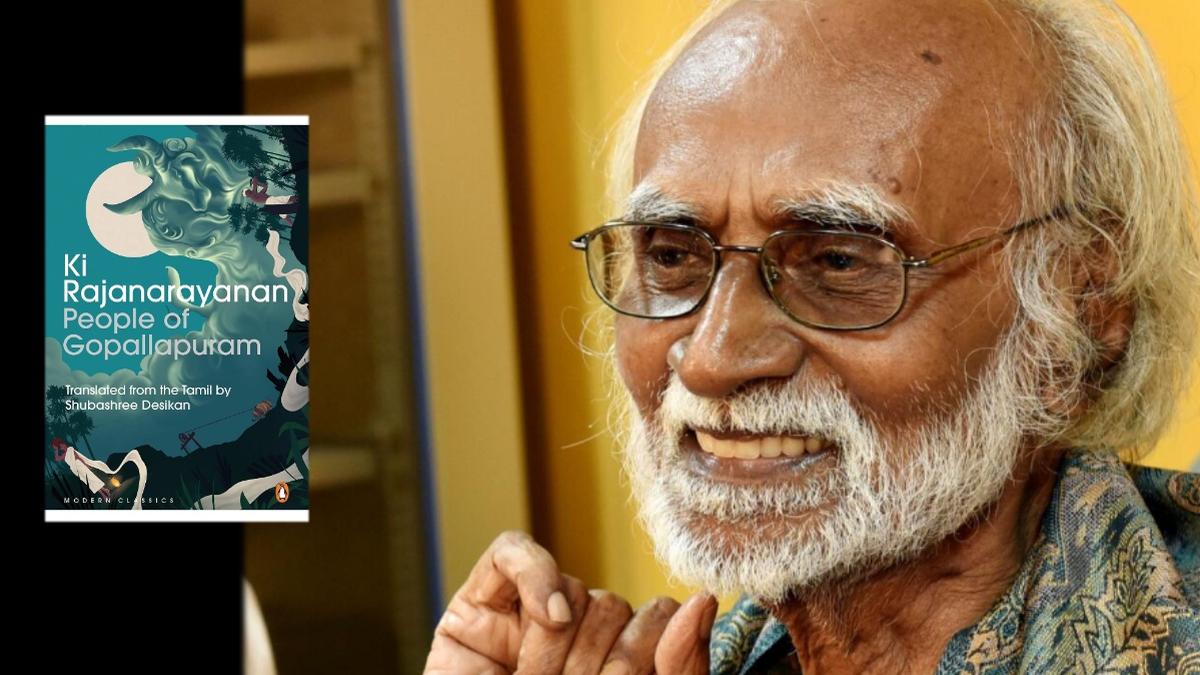
Ki.Ra. He was a cultural cartographer of the karisalor “black earth” region of southern Tamil Nadu. | Photo credit: M. Samraj
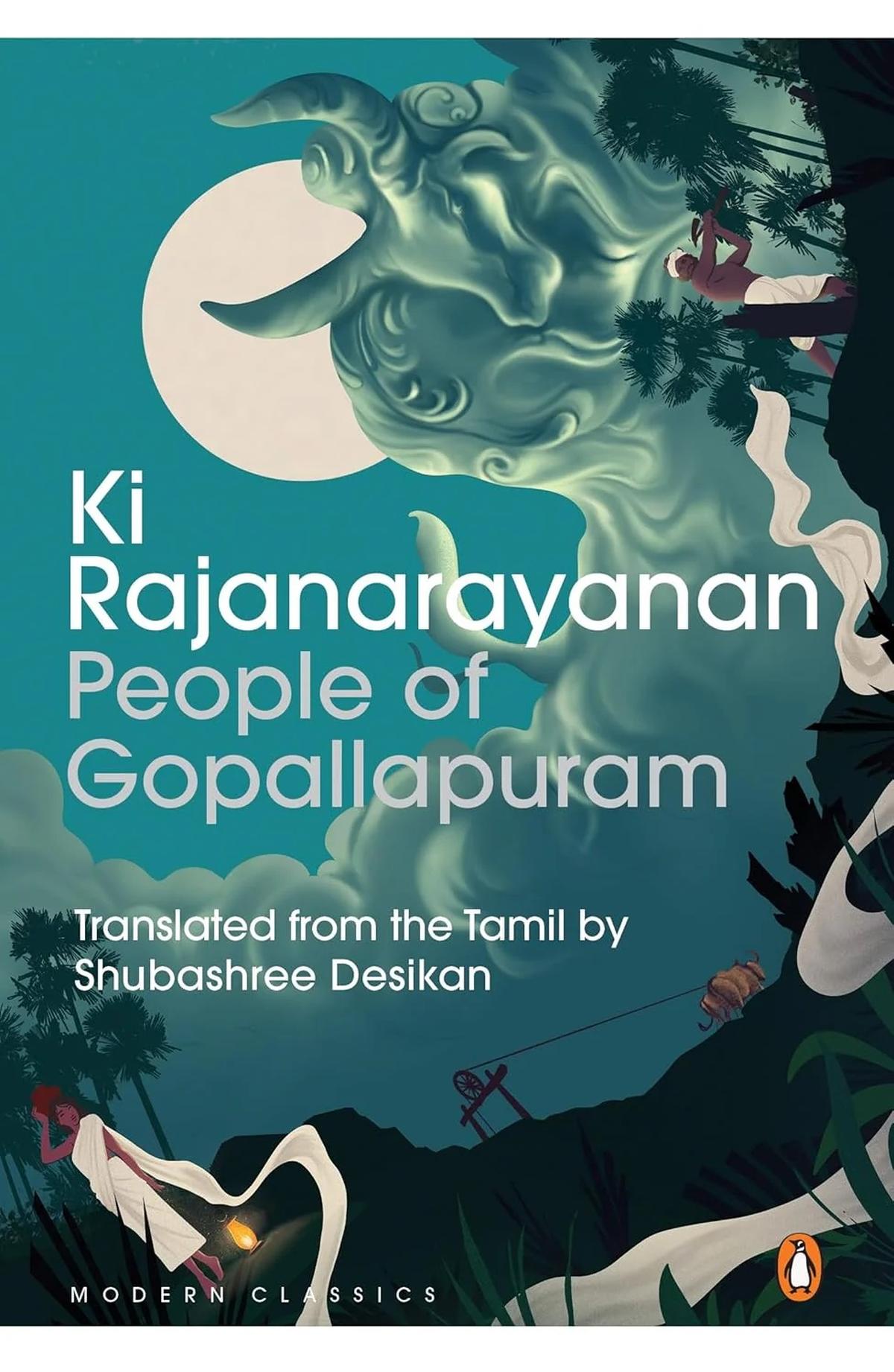
When People of Gopallapuram (the English translation of Ki. Rajanarayanan’s famous Tamil novel Gopalapurathu Makkal) comes into the hands of readers this year, feels like a long-awaited step into a world that Tamil literature has long held dear, and reaffirms the power of regional literature in a national canon.
Published under the laudatory initiative of the Tamil Nadu Textbook and Educational Services Corporation, the novel opens a window on rural South India on the cusp of seismic change, at the twilight of British rule and the dawn of independence.
Ki. Rajanarayanan (1923-2021), better known as Ki.Ra., was not only a novelist but a cultural cartographer of the karisalor chernozem, the “black earth” region of southern Tamil Nadu. He is widely regarded as the dean of karisal kaatu literature, a work that is distinguished by its roots in the local dialect, popular practice, agrarian struggle and an unadorned humanism that rejects romanticization. These scorched plains and the people who eked out a living there became the source of his life’s work.

Community and chaos
People of Gopallapuram It is first a community portrait and then a conventional novel. The eponymous town and its rhythms, assemblies, lovers, farmers, artisans, caste divisions and workers, nationalists and rebels, become the beating heart of the narrative.
The novel traces how the everyday realities of caste, customs and economic precariousness play out in the context of the nation’s freedom. Village elders linger in memory, lovers chafe against separation, and servants negotiate the uncomfortable tension between continuity and change.
In Ki.Ra.’s world, the non-human is never a mere backdrop: bulls and birds, earth and plow, rain and drought, cotton and cacti, punch and tongues breathe alongside people, shaping their destinies as intimately as if they were kin.
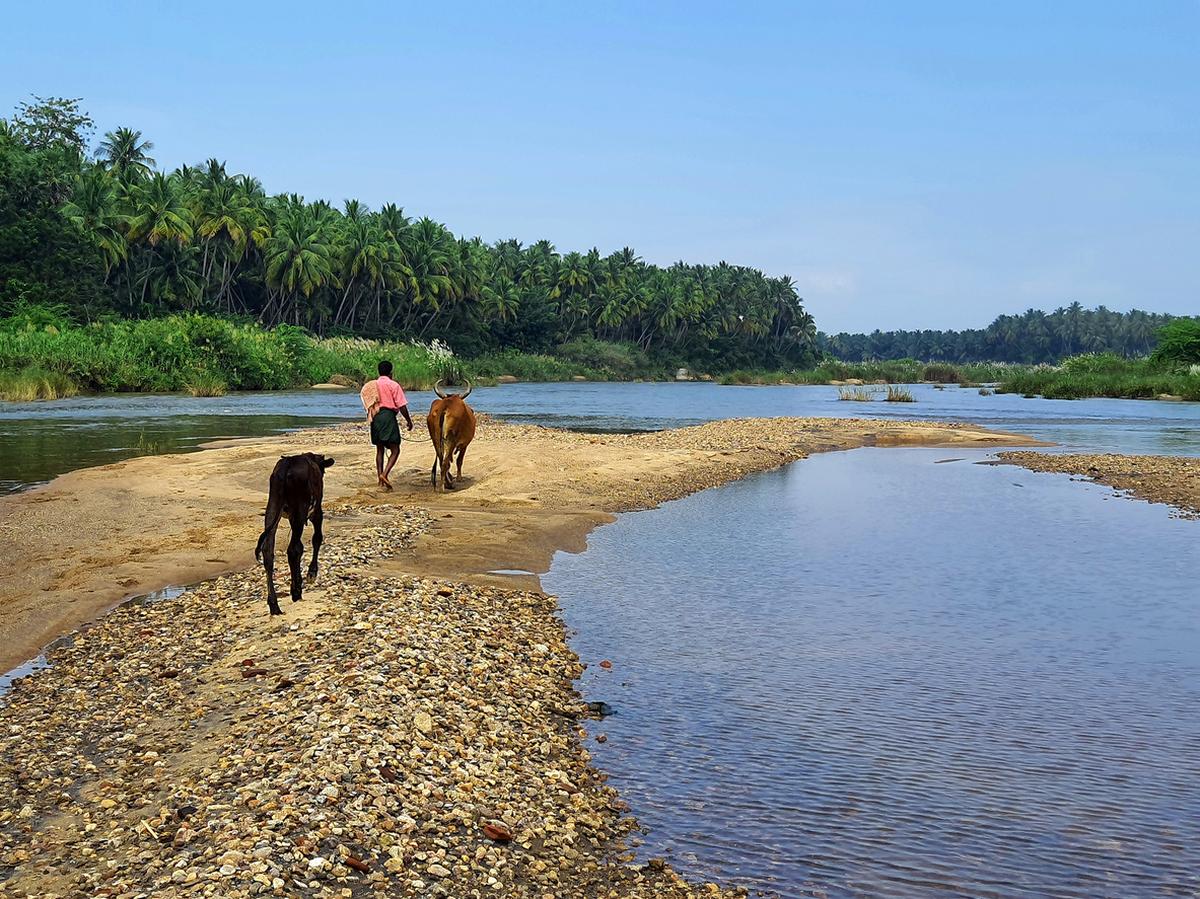
A farmer with his cattle in Madurai, southern Tamil Nadu. | Photo credit: Getty Images
Equally vivid are the passing spectacles of a changing India: the awe of steam engines traversing the landscape, the ambivalence toward colonial education, the murmurs of gossip and the hum of meetings. Community and chaos coexist here, represented with a look that is at once affectionate, ironic and deeply human. The strength of the novel lies not in the dramatic plot twists but in its panoramic empathy.
Conversations in the wind
Shubashree Desikan’s Tamil interpretation of Ki.Ra. offers a glossary for English readers to understand the texture of spoken language, rather like a phrase book explaining the idiosyncrasies of speech that distinguish the novel’s voices. This careful calibration is crucial, as much of Ki.Ra. As a writer, he resides in the ordinary nature of his characters, their daily struggles represented with depth and compassion, and his ironic humor.

Translator Shubashree Desikan | Photo credit: M. Vedhan
The translation expands the reach of Ki.Ra so much. as the presence of the South Indian rural imagination in Indian literary discourse. It also complements other efforts in Tamil, from the incisive social explorations of Pudhumaipithan to the poetic terrains charted by T. Janakiraman, the determination of Imayam and Perumal Murugan, by foregrounding a literary geography where land, labour, language and myth converge.
In the end, People of Gopallapuram it is not driven by plot but by the presence and accumulation of lives, landscapes, moments and popular cosmologies that together form a richly inhabited world. It reminds us that history is not only written in capitals and proclamations, but that it is lived in the towns, in the fields, in conversations carried by the wind and in the black earth that sustains and remembers everything.
The critic is the author of Temple Tales and translator of Hungry Humans.
People of Gopallapuram
Ki Rajanarayanan; trs Shubashree Desikan
Penguin
499 INR
Published – March 27, 2026 06:05 am IST


