


Whether you care about geopolitics or not, your monthly budget has already become a reluctant expert in it!From your morning tea to your late-night sweet cravings, the Middle East’s crossfire is quietly sneaking into your kitchen bills, one bill at a time. But thankfully, not everything on your grocery list is feeling the heat! The conflict, which has now lasted more than three months, is not progressing beyond its “negotiation phase”. But while leaders are negotiating peace, families are stuck solving a very different puzzle: Why does a specific item suddenly come with a premium tax?Short answer: crude oil and currency chaos.Global oil, once cool around $70 a barrel, is now hovering above $90, even skyrocketing to $126, making imports costly and even rerouting shipments when key routes like the Strait of Hormuz are closed. Bill becomes even more noisy when he returns home. Petrol and diesel prices have already increased by Rs 7.5 per litre, increasing the transportation and logistics costs of everything from your potatoes-onions to your packaged snacks. And the rupee, hitting multiple record lows, is quietly acting like an “additional tax” on anything crossing the border. But here’s the catch: not everything is on fire. Fuel-related, import-heavy and long-distance supply chain items are the first to feel the heat, while locally manufactured essential goods mostly keep it out. Think of it less like a price earthquake and more like random shakes in a grocery store: Some aisles shake, others don’t even budge.Let’s break down the cost of your meal:
LPG: The invisible villain of your bill
Iran’s occupation of the Strait of Hormuz has put pressure on energy shipments around the world, raising concerns about LPG supplies, causing costs to rise. And when cooking fuel becomes expensive, the impact doesn’t just extend to your kitchen.At present, the price of a 5 kg domestic cylinder is around Rs 317.50, while the price of a 14.2 kg cylinder is around Rs 913.00. On the commercial side, a 19 kg cylinder comes at around Rs 3,071.50, and a larger 47.5 kg cylinder costs around Rs 4,674.50.
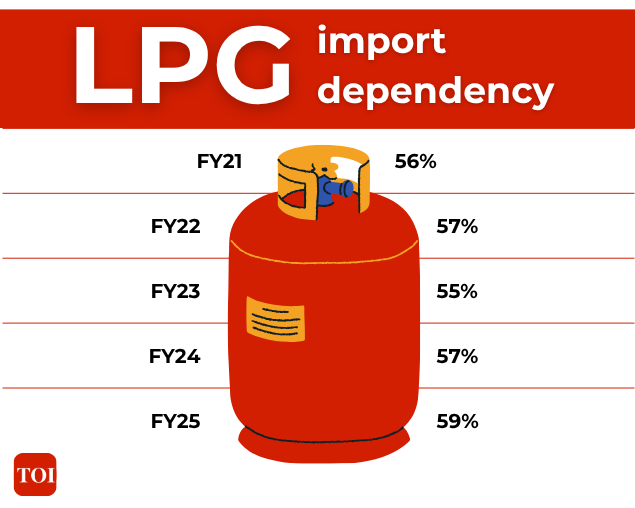
For families, the LPG bill silently adds to your monthly budget. Meanwhile, restaurants, roadside eateries and food businesses are struggling with high operating costs. Many are passing at least some of the burden on to customers, causing your bill to rise even higher. In the end, whatever you decide, making that simple thali at home or ordering your favorite biryani, both will cost a little more.
Cooking oil: A kitchen staple with a geopolitical problem
The next thing to feel heat, literally, is cooking oil. That humble bottle next to your stove is a persistent remnant of an inconvenient truth: India still runs heavily on imports.Even though the country is one of the world’s largest oilseed producers, it is still dependent on foreign supplies to meet its edible oil demand. However, import dependence has improved from 63.2% in 2015-16 to 56.25% in 2023-24, thereby increasing self-reliance from 36.8% to 43.74%. But this progress is being offset by rising consumption, keeping overall demand under pressure.
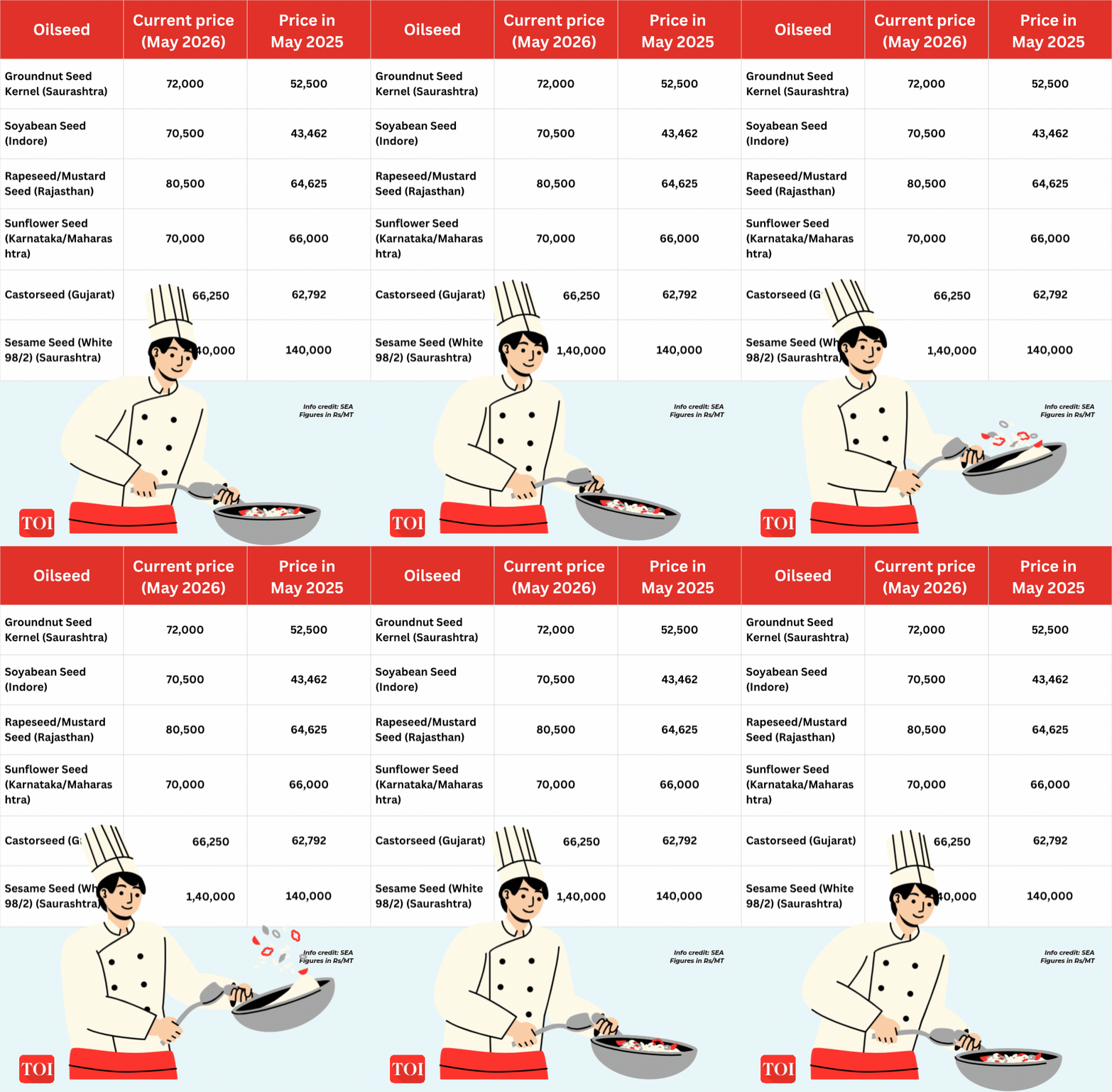
And now, as trade routes are disrupted, higher freight charges, rising insurance costs, supply chain bottlenecks and a weakening rupee are again putting pressure on your cooking oil prices to rise. Families are exposed to a great deal of risk whenever global markets are volatile. Add supply tensions associated with El Nino, biodiesel mandates in Southeast Asia, and ongoing tensions in the Middle East, and suddenly that extra spoonful of oil in your cauldron is carrying a whole geopolitical price tag.
Even your morning tea isn’t safe
Forget dinner or eating out, even your morning tea may start sipping on you! That sacred ritual is becoming costlier for millions of Indians as dairy giants Amul and Mother Dairy have increased milk prices across the country.Indian dairy giants Mother Dairy and Amul have increased the prices of pouch milk by Rs 2 per litre, with both Amul and Mother Dairy being India’s two largest dairy retailers.
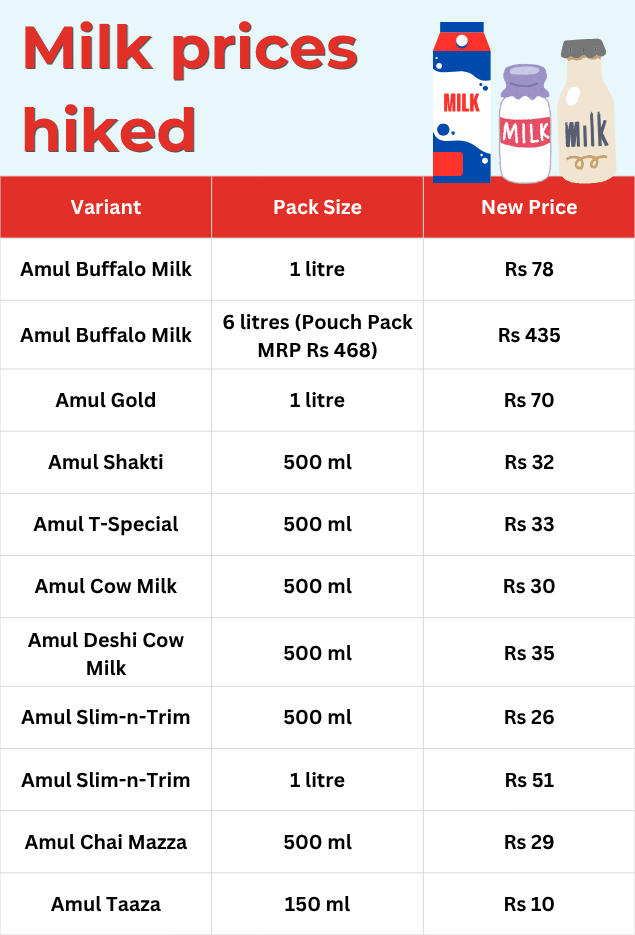
This is the second price revision by both dairy cooperatives in the last 13 months and similar hikes are likely to be made by regional dairy players. Companies have attributed this growth to rising production and operating costs, including more expensive animal feed, higher packaging film costs and increased fuel prices.
What about snacks?
Your humble morning toast is getting expensive. Bread prices have already increased as manufacturers grapple with the rising costs of packaging materials, transportation and other imported inputs. The rupee’s depreciation has made matters worse by increasing the import bill.Earlier this month, Modern Bread increased the prices of its Original variants by Rs 5 per pack, one of the steepest hikes in recent years. Industry observers expect other major brands including Britannia and Vibes to follow suit.And it’s not just bread that’s under pressure. The rising cost of edible oil, milk derivatives, packaging and freight is affecting the entire bakery sector. With diesel prices also rising, bakeries may soon pass the cost on to consumers, making everyday food items like bread, rusks, khari and other baked dishes a little costlier.
sweet tooth, sour surprise
Summer’s favorite comfort foods, ice cream and chocolate, have also come under fire.Prices of key ingredients like dried fruits, nuts and cocoa have soared due to global supply disruptions. Industry estimates show that nut and dried-fruit costs have increased by 15–22% compared to pre-war levels, while packaging and transportation expenses continued to increase.Chocolate manufacturers are facing an even bigger crisis. Some manufacturers report that hazelnut prices are increasing by as much as 75% year-on-year, making premium chocolate too expensive to produce.Meanwhile, ice cream brands are meeting peak summer demand with higher input and logistics costs, leaving little room to absorb the hit. The likely outcome: expensive scoops, expensive chocolate bars and a hefty bill for every dessert.
The Middle East can also affect your ’emotions’
Beer lovers may soon have something new to worry about, and it’s not what’s inside the bottle, but the bottle itself.Glass bottles, which account for 40-45% of production costs and package about 80% of all beer sold in India, are becoming increasingly rare. The shortage coupled with rising carton prices has given the brewers a headache and they are demanding a 15-20% hike in prices, along with prompt payment clearance from state governments.
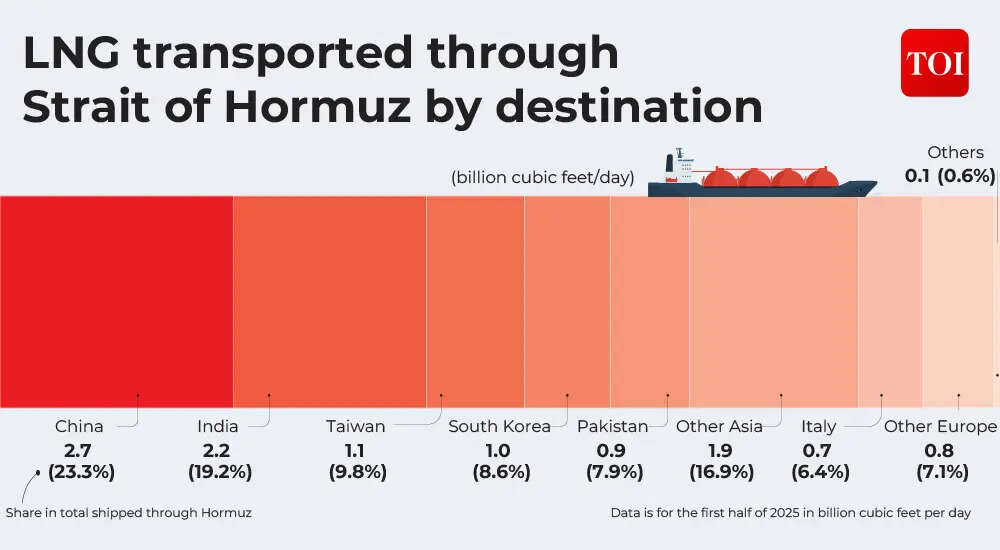
The problem lies with the glass manufacturers, who are facing shortage of gas. Although gas supply has improved, it remains well below pre-February 28 levels, increasing costs and disrupting production.Add to this the increasing expenses of raw materials, packaging and logistics, then as the demand is increasing, the industry finds itself under pressure from all sides. But unlike many other regions, brewers cannot freely raise prices, as beer rates are regulated in most states.
So, how much does your meal cost now?
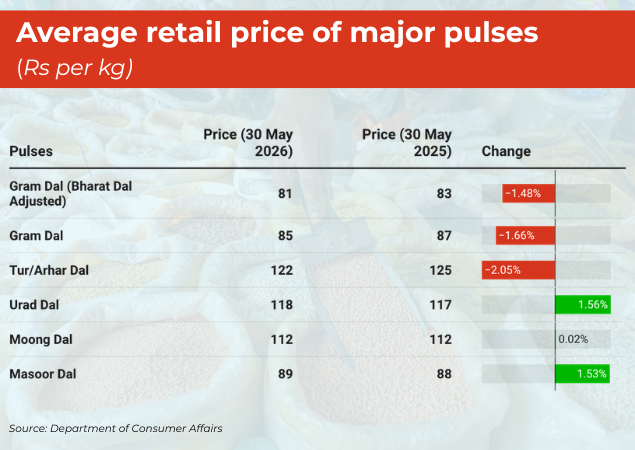
Global events are impacting your everyday plate. Let’s start with the comfort food – dal!India imports 5-6 million tonnes of pulses annually from countries like Myanmar, Canada and African countries, making pulses vulnerable to rising shipping and logistics costs. If the disruption continues, imported pulses may become more expensive, leading to food inflation. However, so far, pulses prices have declined by 4% due to duty-free imports.
For rice lovers, disruption in exports to Iran and Gulf countries could lead to more rice remaining within India, potentially lowering domestic prices. According to Crisil Intelligence’s Roti Chawal Rate Report, the price of vegetarian and non-vegetarian home-made thalis increased by 2% year-on-year in April 2026. The biggest culprit was tomato, whose prices rose 38% from Rs 21 per kg to Rs 29 per kg. Prices of vegetable oil and LPG also rose by 7%, increasing the cost of cooking. The good thing is that onions became cheaper by 16%, potatoes fell by 14%, and. Meanwhile, non-vegetarian thali became costlier due to a 2% increase in broiler chicken prices, while vegetarian thali remained unchanged on a month-on-month basis. In short, your plate is sandwiched between inflationary pressures and a handful of ingredients that keep costs under control.
FMCG Products: Hidden Shrinking Inflation Wave
This pressure is not limited to foods. According to the Systematics Research report, prices of everyday consumer products are likely to rise further as companies grapple with higher raw material costs. In the last one to two months, after raw material costs increased by an average of 8-10%, companies across categories have already increased prices by 3-7%.And if prices don’t rise outright, consumers may face another familiar trick: contractionary inflation. The report said companies in the food and beverage and home and personal care sectors may resort to higher prices, smaller pack sizes and cost-cutting measures to save margins. Key inputs are becoming increasingly expensive, with palm oil prices up 11%, Brent crude up 32%, and HDPE, the plastic used in everything from shampoo and detergent bottles to food packaging, up 56%.
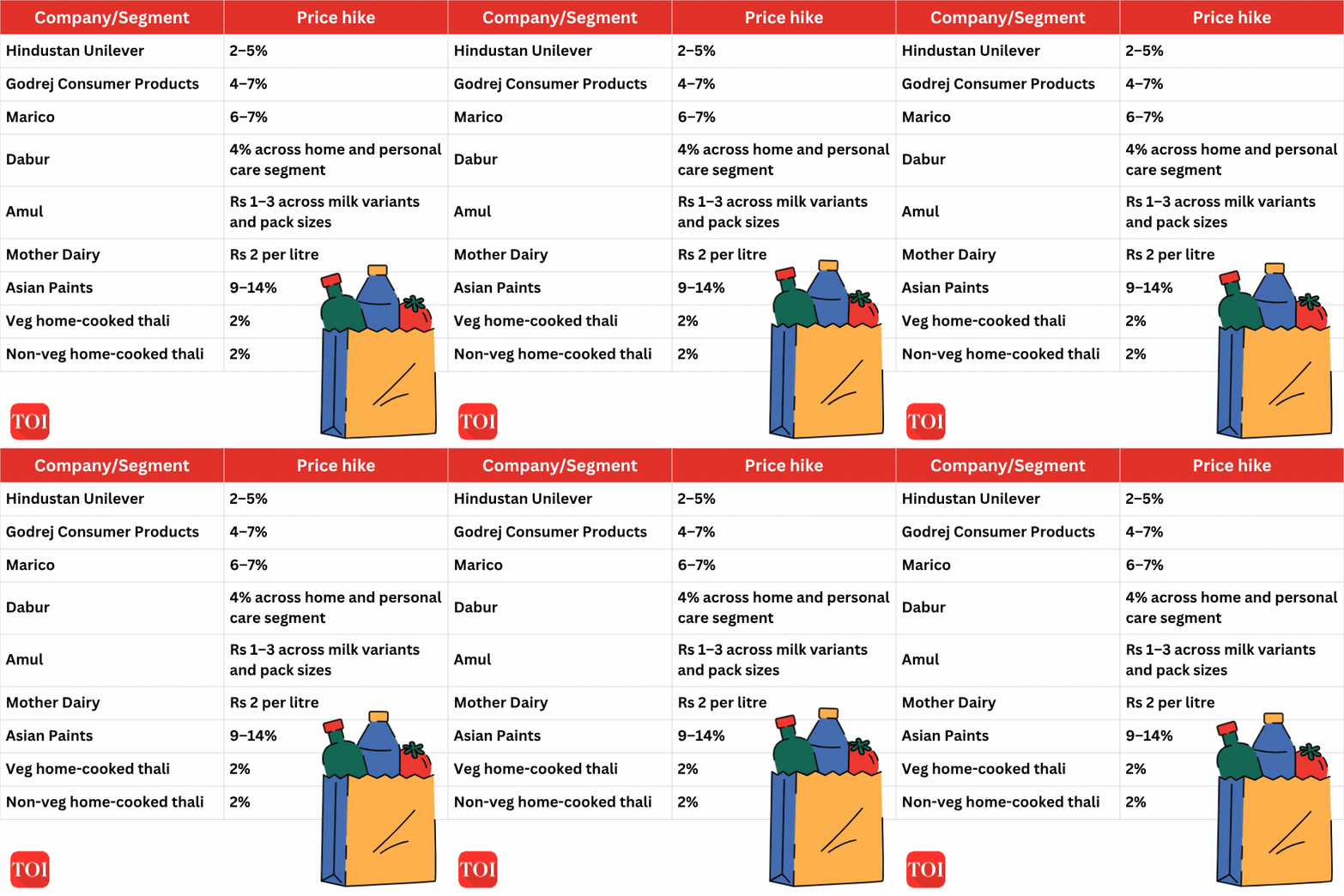
The pressure is expected to continue till the first half of fiscal year 2027. While companies may be able to protect profits through pricing actions, analysts warn that rising retail inflation could weigh on consumer spending. In short, your favorite snack, shampoo, detergent or packaged foods may soon either become more expensive or quietly offer slightly less for the same price.Health careHere’s an unlikely addition to the list of conflict casualties: MRI scans. Helium, a gas that is rarely on anyone’s shopping list, is needed to cool MRI magnets, and is in short supply globally due to frequent disruptions. Since India is heavily dependent on imports from Qatar, hospitals and imaging centers are bracing for higher costs and possible diagnostic delays.Medical equipment manufacturers are also warning of shortages of essential hospital consumables, including IV bags, IV lines, urine bags, cannulas and syringes. With barely 15-20 days of stock in some cases, supply disruptions may start emerging as early as next month. Rising energy costs and shortages of industrial gases used in manufacturing are adding pressure, forcing companies to rely on more expensive alternatives.The wave of inflation is spreading to some unexpected corridors. Mankind Pharma, maker of Manforce condoms and India’s largest condom brand with about 30% market share, has warned that prices could rise if oil prices remain high for a long time due to the Middle East conflict.The reason is simple: While condoms are made from natural latex, many of the chemicals, lubricants, and packaging materials used in production are laced with petroleum-based inputs.
ground level
The conflict may be spread thousands of kilometers away, but its bill is reaching straight to your doorstep. It starts with cooking oil and milk, reaches breads and sweets, and before you know it, even the dish soap near your sink wants to grow.The increase in costs is due to two major factors – the falling rupee and rising global crude oil prices. This combination is like a domino effect, making imports, fuel, transportation and packaging expensive, which ultimately drives up the prices of everything from cooking oil and milk to bread, detergents and restaurant food.The bigger story isn’t about an expensive product, it’s about how deeply our everyday lives are connected to global events. Disruptions in long-distance shipping routes can make your tea more expensive, your grocery bill heavier, and your monthly budget harder to balance.

