

In a world where identity is fluid and boundaries are becoming increasingly abstract, fashion has become one of the most visible ways in which younger generations simultaneously express their heritage and global influences. For many people today, the idea of wearing a completely traditional kurta or a sharp western suit seems limiting; Instead, they look for garments that bridge cultures, combining heritage with contemporary sensibilities. Among these mixed styles, the most beautiful Nehru Jacket Has experienced a remarkable resurgence. Worn over kurtas, shirts or even tees, it offers a seamless blend of South Asian tradition and modern minimalism. As fashion becomes more global, young people are redefining what it means to look stylish while respecting their roots. The result has been a wave of Indo-Western wear that is as comfortable on the high street as it is at festive gatherings.

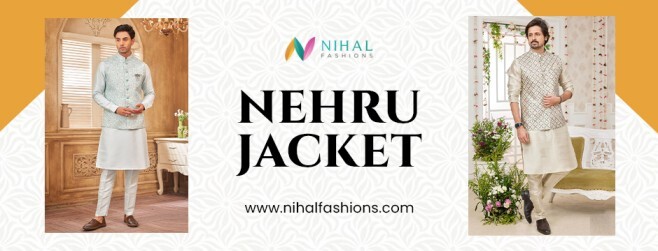
With increasing urbanization, growing pride in cultural identity, and exposure to global trends through social media and travel, this fusion style is no longer exclusive; It is becoming mainstream. From wedding mehendi to urban brunch, the Indo-Western look has made its way into every wardrobe. Ahead, we’ll explore how this evolution is unfolding for the next generation: influences, trends, styling ideas, and why this blend of East and West has made such a profound impact recently.
Roots of Indo-Western Fashion
Indo-Western fashion began as a subtle experiment, making small changes to traditional Indian clothing, making it more wearable in urban environments. Consider a kurta with a mandarin collar or a cropped sherwani so that it looks good with jeans. Over time, designers began to completely reimagine traditional cuts, borrowing from Western tailoring to create garments that could seamlessly move between a formal dinner in London and a family celebration in Hyderabad.
At the core of this mix lies a deep respect for heritage. Clothing like churidar, bandhgala, kurta and achkan have age-old cultural significance. By pairing these with trousers, loafers or even t-shirts, wearers maintain a connection to their roots while embracing modernity. It’s a balance of old and new, where tradition doesn’t feel like a costume, but like a living, evolving style.
Contemporary Trends: What’s New and What’s Here to Stay
Minimalism is inherited
Younger people are attracted to clean lines and subtle details, a reaction against both ostentatious traditional dress and overly casual fast fashion. outcome? Attractive Indo-Western silhouettes: plain linen kurtas with slim-fit trousers, bandhgalas with minimal embroidery, and cropped Nehru-style jackets worn over T-shirts. The focus is on comfort, versatility and timeliness that transcends fleeting trends.
fabric and sustainability
With increasing environmental awareness, many people are now looking for natural fabrics like linen, khadi and cotton instead of synthetic blends. These lightweight, breathable materials work well in India’s climate and give the outfit an organic feel. Plus, they align with the global push toward conscious, sustainable fashion. The fusion aesthetic benefits from this trend: traditional fabric choices are re-imagined through modern cuts and tailored shapes.
Gender-fluid and androgynous styles
Indo-Western fusion has also opened the door to breaking gender norms. Women are wearing tailored achkans, oversized kurta coats and straight-cut pants, while men may opt for draped layers or subtle embroidery traditionally reserved for women. The result is a wardrobe that is less constrained by binary norms and more defined by personal style.
streetwear influence
With streetwear dominating global urban fashion, this influence is also increasing in Indo-Western wardrobes. Hoodies under long kurtas, sneakers with bandhgalas, and denim with ethnic scarves, these playful combinations reflect a generation growing up on global pop culture that’s still rooted in South Asia.
Youth, subculture and identity
For many youth, especially those living in immigrants or multicultural cities, clothing becomes a way to navigate dual identities. One might be studying in London but invited to a Diwali party, or live in Mumbai but work in a creative start-up that values global style. Indo-Western attire becomes a bridge, allowing them to express cultural pride without looking outdated or overly formal.
Social media plays a major role here. Influencers, fashion bloggers and even students share looks that combine kurta with Nehru jacket along with trainers. This democratization of style means that fusion fashion is no longer reserved for traditional occasions; This concerns streets, cafes and campuses.
Styling Ideas: How the Next Generation is Wearing It
- Smart-Casual Ethnic: Wear a crisp kurta with slim-fit chinos and slip-on loafers. Wear a short ethnic coat for a luxurious yet casual vibe.
- Urban Minimalist: Choose a plain cotton kurta in muted tones, wear it with slim trousers and minimalist sneakers. Finish with subtle accessories, perhaps a pocket square or a watch.
- Festive atmosphere with a twist: A brocade kurta under a clean-lined, tailored jacket, a modern reinterpretation of the sherwani.
- Bisexual statement: Women in tailored long coats with narrow trousers; Men in loose kurtas layered with wide-legged pants. Light pastel colors and simple jewelery complete the look.
- Fusion streetwear: an ethnic shirt Worn over jeans, with a statement jacket over the top, and with canvas shoes or boots for street-ready charm.
Why does this fusion resonate with a new generation?
- resilience: Indo-Western attire works in a variety of settings from family dinners and festivals to travel, college and work parties. There’s no need to have a wardrobe full of different outfits.
- Identity and Pride: It’s a way for young people to honor their heritage, while also expressing a global, modern sensibility, a sartorial representation of who they are.
- Comfort + Style: Lightweight fabrics, loose silhouettes and breathable materials are suitable for modern life, especially in hot weather.
- Stability and Individualism: The move away from fast fashion towards natural fabrics and timeless designs allows for more conscious and personal wardrobes.
The road ahead: What’s next for Indo-Western fashion
Looking ahead, some trends are likely to shape the future of Indo-Western fashion:
- Hybrid Formal Wear: Expect more suits Nehru Blazers Which is based on ethnic tailoring, Nehru collared jackets, structured shoulder kurtas and ethnic embroidery on formal shirting.
- Durable and artisanal fabric: There is a renewed interest in handmade clothing, khadi, hand-woven silk, block-printed cotton, as people increasingly look for unique, eco-friendly apparel.
- Closed-gender and inclusive design: More gender-neutral silhouettes, unisex designs and inclusive sizes to welcome a wider audience.
- Global Fusion: As more designers collaborate internationally, we may see Indo-Western styles blending with other global aesthetics, think ethnic coats with Scandinavian minimalism or South-Asian embroideries with Japanese-inspired cuts.
Explore Indo-Western fashion for the modern man with Nihal Fashion
At Nihal Fashion we believe in celebrating this beautiful blend of tradition and contemporary flair. Our curated collection of premium ethnic jackets and coats is handcrafted to provide both comfort and style, perfect for the modern wardrobe.
Our signature piece, the Nehru Jacket, is crafted with fine tailoring, graceful lines and a timeless silhouette that honors heritage while remaining thoroughly modern. Whether you’re dressing up for a festive celebration, an evening out, or a lunch on the town, our men’s jackets offer versatility like no other.
For those seeking a modern twist, our stunning range of Indo-Western suits promises to get you party ready with ease. The pieces showcase a sophisticated blend of Indian embellishments, heritage-inspired embroideries and luxurious fabrics like linen, cotton, silk and velvet, creating apparel that seamlessly blends culture and modernity.
You can also check out our other men’s apparel categories, which include stylish kurta-pajamas, designer sherwanis, men’s jackets and elegant men’s kurtas.
conclusion
The revival of Indo-Western fashion speaks of a deeper cultural shift. It’s about respecting heritage without being tied to it; About creating a wardrobe that reflects who we are, multifaceted, global, proud and individual. The Nehru jacket, and its variants such as the sleek blazer or the more formal suit jacket, are at the center of this evolution.
For the next generation, fashion isn’t just about fitting in or looking different. It is about combining roots with dreams, tradition with innovation and humility with courage. In doing so, Indo-Western clothing becomes more than clothing; It becomes a statement, a lifestyle, a bridge across the world. So, whether you’re dressing up for a festive evening, a city lunch, or simply want to express your heritage with a contemporary flair, embrace the Indo-Western fusion collection. Nihal Fashion is more than a trend; This is the future of style.