


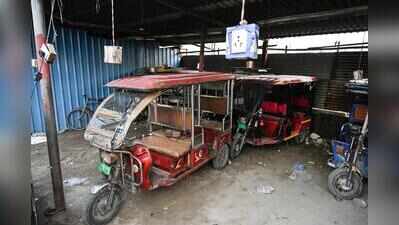
Noida: A day after sparks at an electric vehicle charging point in a basement sparked a fire in a Mamura building that killed two people, a TOI visit to urban villages found similar charging practices common in Harola, Barola, Hoshiarpur, Raipur and other localities.Inside homes and parking areas, electric rickshaws and scooters are routinely plugged into household sockets or roadside power outlets, often using extension boards and improvised wiring. Vehicles are left charging for hours, sometimes overnight, increasing the risk of overheating, short circuits and fires as electric vehicle adoption outpaces the availability of regulated charging infrastructure.Firefighters said home electrical systems lack safeguards such as surge protection and thermal cutoffs needed for prolonged high-current loads. The risk is greatest in densely populated neighborhoods with narrow lanes that can delay firefighters.Typically, an electric scooter needs a charging socket of between five and 16 amps, depending on the model, while an electric rickshaw needs 16 amps. It’s not just the plug. For a housing society or home charger, the practical minimum is a separate sized cable from the distribution board, a dedicated circuit breaker, adequate RCD protection, proper earthing and a BIS compliant fixed EVSE, installed after checking the authorized load of the premises.Mukesh Sharma of Harola said many paying guest (PG) accommodations and rented houses in the area housed delivery boys and e-rickshaw drivers who charged their vehicles’ batteries directly from ordinary household sockets in parking areas on stilts or basements that often house a building’s electrical panels, a combination he called a “disaster waiting to happen”.Also in Barola, most landlords have rented out their buildings for PG accommodation and exercise little oversight over who lives there and under what conditions. Reema Singh, who has lived in the area for years, said e-rickshaw drivers often charged multiple vehicles from a single outlet using loose plugs and extension cords. “Many leave battery chargers directly inside or on top of e-rickshaws during charging,” Singh said, while calling for a clear government policy defining authorized charging points, along with a dedicated helpline or complaint mechanism for residents to flag unsafe charging practices.Fire chief Pradeep Chaubey said a large number of e-rickshaw drivers and delivery workers were charging vehicles overnight at home connections that were not designed for the charging required by electric vehicle batteries, often using multiple extension plate batteries or unauthorized connections. It said the chargers generate significant internal heat and placing them in vehicle seats could increase the immediate risk of fire and explosion due to heat trapping and vibration.He said lithium-ion battery fires burn at very high temperatures and can suffer “thermal runaway,” a chain reaction in which internal heat sustains continued combustion. These fires, he said, can reignite even after appearing extinguished, requiring large volumes of water and specialized extinguishing methods.

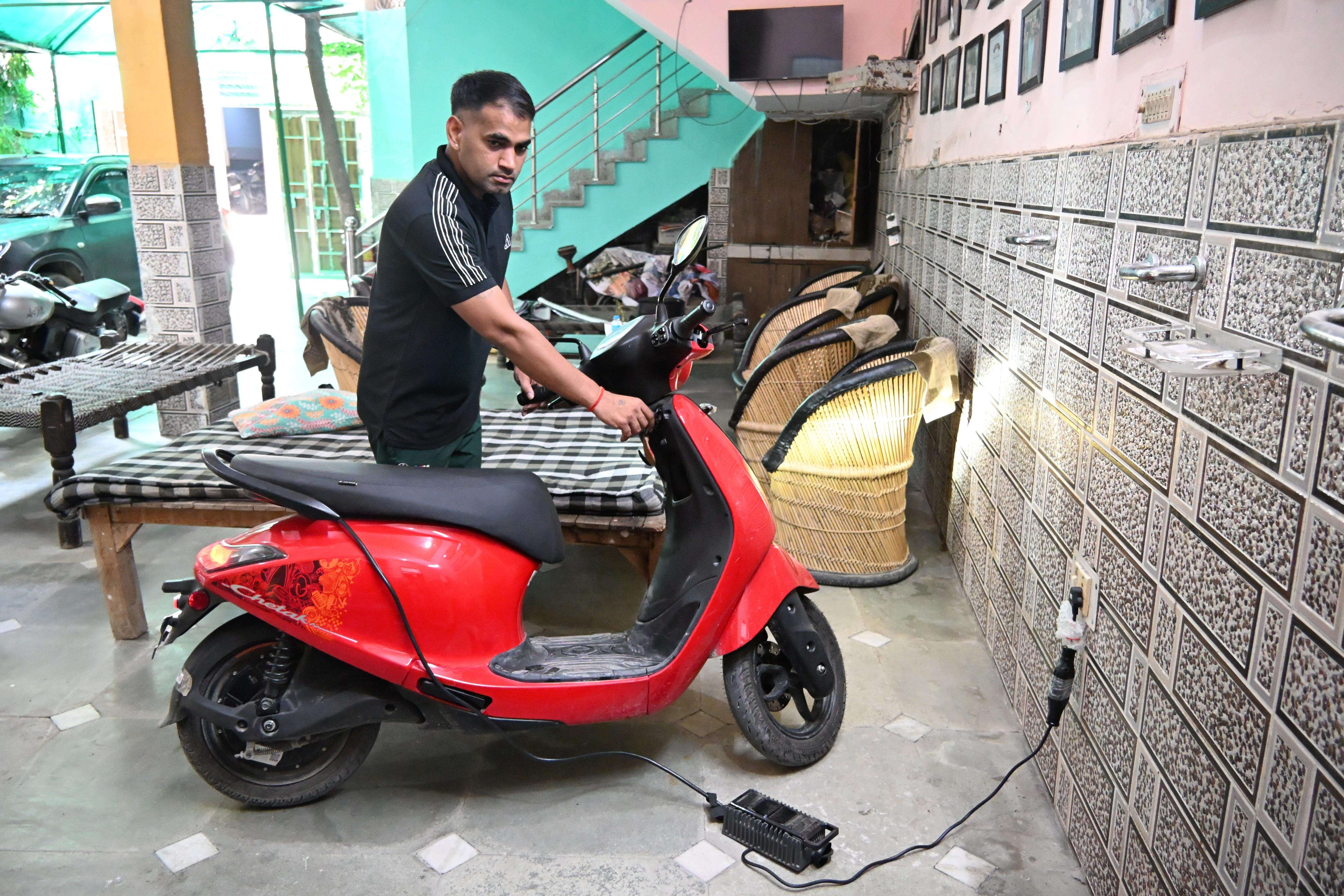
A Hoshiarpur resident charges a scooter at a regular outlet on Thursday
Officials said many vehicle owners used uncertified chargers or locally assembled battery packs to cut costs, while overcharging, charging damaged packs or modifying batteries outside of safety standards increased the likelihood of an explosion or fire. The danger is compounded in buildings where e-rickshaws are parked on the ground floor or in basements while families live on upper floors, as a fire in the parking area can block staircases and exits with toxic smoke, trapping residents inside.In Mamura, authorities said a battery charging at a regular outlet had sparked the fire, which spread to two-wheelers parked nearby and exploded in quick succession.Firefighters urged residents to only use manufacturer-approved chargers, avoid unattended overnight charging, and never use damaged cords or overloaded extension plates. “Vehicles should be charged in well-ventilated areas and away from combustible materials. Batteries that show signs of swelling, overheating or physical damage should be replaced,” an official said.Abhijeet Sinha, Ease of Doing Business and National Highways program director for EV Pilot, said the pace of adoption of electric vehicles and batteries had outpaced the implementation of preventive regulations, leaving substandard batteries and vehicles on the road even as battery swapping technology gains traction. He said a set of 12 recommendations (four each on regulatory, administrative and technical measures) under the NHEV pilot project, including Aadhaar-linked battery identification and mandatory disclosure of risks, insurance, third-party claims, depreciation and periodic testing, had been submitted to NITI Aayog and other bodies in 2022. Of them, he said, only the Aadhaar mandate for batteries has been implemented, and the rest are still under consideration.