


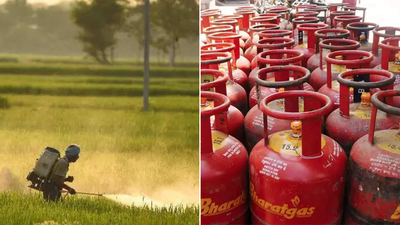
The ongoing crisis in the Middle East has affected global energy supplies, but availability within the country remains stable, the government has assured. Addressing a ministerial briefing, Aparna Sharma, additional secretary in the department of fertilizers, said, “Fertilizer availability remains strong, and supply remains in excess of requirement. The Department of Fertilizers confirms fertilizer security, which is strong, stable and well managed, with availability consistently exceeding the requirement for all major fertilizers, and no shortages reported so far.He said the supply situation remained comfortable during April. “For the period 1 April 2026 to 26 April 2026, availability remains well in excess of requirement. Sharma said, availability of urea is 71.58 LMT against the requirement of 18.17 LMT and availability of DAP is 22.35 LMT against the requirement of 5.90 LMT.Meanwhile, commenting on fuel availability in the country, Petroleum Ministry Joint Secretary Sujata Sharma assured that the allocation of commercial LPG has been increased to 70%, although incidents of panic buying are being reported at some distributors. “However, we have adequate supply of LPG and there is no gas closure at any distributor,” he said.He said most of the deliveries are being done through the authentication system, with 93% of LPG cylinder deliveries completed using authentication codes. More than 1,65,000 tonnes of commercial LPG has been sold so far.According to earlier reports, India is preparing to secure urea supply at significantly higher prices as the fertilizer market remains under pressure ahead of the peak of kharif sowing due to global disruption.Government-designated importer India Potash Ltd (IPL) is in the process of buying 25 lakh tonnes of urea at $935-$959 a tonne. The current rates are almost double the levels seen in the tender floated two months ago, where the bids received by Rashtriya Chemicals and Fertilizers were in the $508-$512 per tonne band.The price hike comes with a widespread increase in input costs, with gas rates doubling and other fertilizers also becoming more expensive. Supplies for the latest imports are expected to come from countries including Russia, Algeria, Nigeria, Egypt, Indonesia and Malaysia. To avoid disruptions, suppliers have agreed not to send shipments through the Strait of Hormuz, which has been affected by the conflict. Meanwhile, the government also held a series of meetings to chalk out a roadmap for more efficient fertilizer use. Plans included linking the distribution of chemical nutrients to farmers’ databases along with efforts to promote balanced and scientific application through awareness campaigns.Officials have said the availability of fertilizer for the Kharif season is adequate and is higher than last year’s level. He said stocks are expected to remain comfortable ahead of peak demand in June.However, rising costs of raw materials and finished fertilizers are expected to push the subsidy bill to more than Rs 2 lakh crore, about 20% higher than earlier estimates for 2026-27.India depends on imports for about 35-40% of its fertilizer requirements, with the Gulf countries contributing about 40% of this supply. Disruptions across the Strait of Hormuz have affected both fertilizer shipments and LNG supplies, a key input into urea production. Now, the Middle East conflict is approaching its two-month mark, continuing to put pressure on energy pipelines around the world.