The Iran-backed Lebanese terrorist group Hezbollah on Saturday called for the Middle East to stand against Israel and the United States after they launched a joint military offensive against Iran, following long weeks of escalating regional tensions and growing threats of conflict.
Hezbollah condemned “American-Israeli hostilities against the Islamic Republic” but stopped short of promising to retaliate against Israel, amid fears it could be drawn into the conflict.
The Lebanese terrorist organization also did not intervene in the 12-day war between Israel and Iran last June, which the United States briefly joined.
“We call on the countries and people of the region to stand firm in the face of these hostile designs,” Hezbollah said in a statement, warning that “their terrible consequences will affect everyone without exception if left unchecked.”
“We are sure that the American-Israeli enemy will receive a severe blow and will receive nothing but failures from its criminal and tyrannical aggression,” Hezbollah added.
Hezbollah leader Naim Qassem was scheduled to give a televised speech later on Saturday, but it was later postponed.
The statement came after a Hezbollah official told AFP this week that it would not intervene militarily in the event of “limited” US attacks, but would consider any attack on Supreme Leader Ayatollah Ali Khamenei a “red line”. Khamenei was among the senior Iranian officials targeted in the initial attacks.
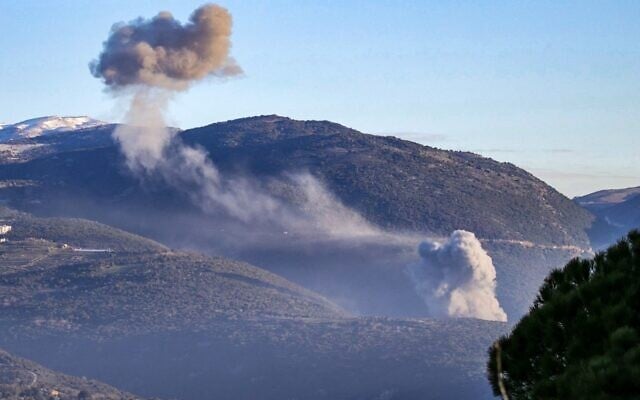
Before the operation against Iran began, Israel launched a wave of airstrikes against Hezbollah targets – including tunnels and rocket launch sites – across southern Lebanon on Saturday morning.
According to the Israel Defense Forces, Hezbollah has recently been working to restore its military capabilities at target sites in order to advance attacks against Israel.
“This activity constitutes a violation of the understandings between Israel and Lebanon and a threat to the State of Israel,” the IDF said.
Lebanon’s state-run National News Agency reported that the Israeli strikes targeted mountainous areas in the south, where Hezbollah has a strong presence.
‘Saving Lebanon’
Earlier on Saturday, Lebanese Prime Minister Nawaf Salam said earlier in the day that Lebanon refused to be drawn into war.
“I reiterate that we will not accept that anyone drags the country into adventures that threaten its security and unity,” Salam said in X.
“In light of the serious events unfolding in the region, I once again call on all Lebanese to act with wisdom and patriotism, putting the interests of Lebanon and the Lebanese people above all other considerations,” he added.
Salam later said his government was establishing diplomatic contacts to avoid any “repercussions” from the conflict.
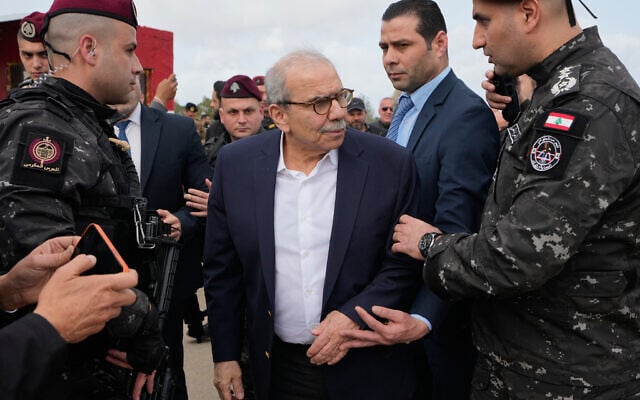
At the same time, US Ambassador to Lebanon Michel Issa told Lebanese President Joseph Aoun that Israel will not escalate its attacks on Lebanon if it refrains from hostile actions.
Aoun stressed that “avoiding Lebanon from the disasters and horrors of external conflicts and preserving its sovereignty, security and stability are an absolute priority.”
Meanwhile, many airlines announced the cancellation of their flights to Middle Eastern airports, including Beirut.
Salam, however, said that “Beirut airport remains open” and that “flights of the national airline continue.”
In a post on