


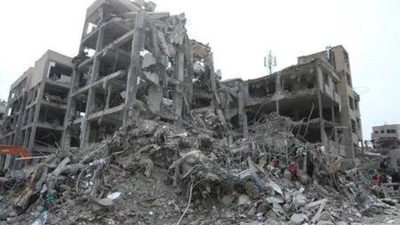
Weeks of conflict have worsened Iran’s economic pressures, deepening pressure on its financial system, while the Islamic republic operates under a standoff in the Gulf following a ceasefire and ongoing maritime sanctions.The situation has put Iran in a standoff with the United States and Israel, with ceasefire talks stalled while key Gulf routes are blocked. Analysts quoted by Reuters say Iran is still managing internal supplies and limited external trade despite damage to infrastructure, industries and oil exports.“I think they have calculated a longer runway than economists or Western policymakers expected,” said Sanam Vakil, head of the Middle East program at Chatham House. The lawyer said Iran is relying on its internal control mechanisms and what he describes as a “resistance economy.”“They are quite known for using repressive capacity. They are relying on people using their savings,” he said, highlighting Tehran’s approach of prioritizing domestic resources and cross-border trade through land routes.It is difficult to fully assess the economic impact due to limited official data and communications restrictions, although the report suggests significant pressure on businesses, inflation and employment conditions.However, leading indicators point towards partial resilience. Authorities have not imposed widespread restrictions on evacuations, fuel rationing or delayed salary payments, while food availability in urban markets remains stable.Shipping data indicates crude oil movements out of Gulf terminals have declined, with analysts predicting export disruptions could become more severe over time, depending on how long the sanctions remain in place.A senior official at Iran’s central bank told Reuters the country had significant gold reserves that could be deployed if needed, also claiming Iran had long experience in maintaining imports under sanctions conditions.In the agricultural sector, analysts say Iran remains relatively resilient due to diversified supply routes and improving domestic production, which could reduce import dependence in the near term. “Iran is the largest food importer in the region. But it is also important to note that Iran is the least food insecure country in the region,” said Ishan Bahnu, chief agricultural commodities analyst at Kpler.Trade continues through neighboring countries including Türkiye, Iraq and Pakistan, while Russia has also increased shipments to the Caspian Sea, bypassing Gulf shipping routes.However, economic tension is visible on the domestic front. Businesses reported rising costs, supply disruptions and weak demand. “Rising prices of basic commodities, especially products like ours that are directly on people’s tables, definitely puts pressure on people,” said Abbas Smailzadeh, a rice and grain seller. He said their sales have declined sharply since the conflict escalated.Meanwhile, mechanic Hossein Amiri said customer activity had dropped significantly. “Our business has basically come to a standstill,” he said, warning that there would be further decline if the situation continues like this.There are also concerns about potential social unrest, with analysts saying prolonged economic stress could increase the risk of instability. As the lawyer said, a resolution would require sanctions relief to improve Iran’s access to foreign funding and international trade. He said Tehran needed greater ability to access foreign exchange holdings abroad, expand oil exports and restore normal trade channels.