


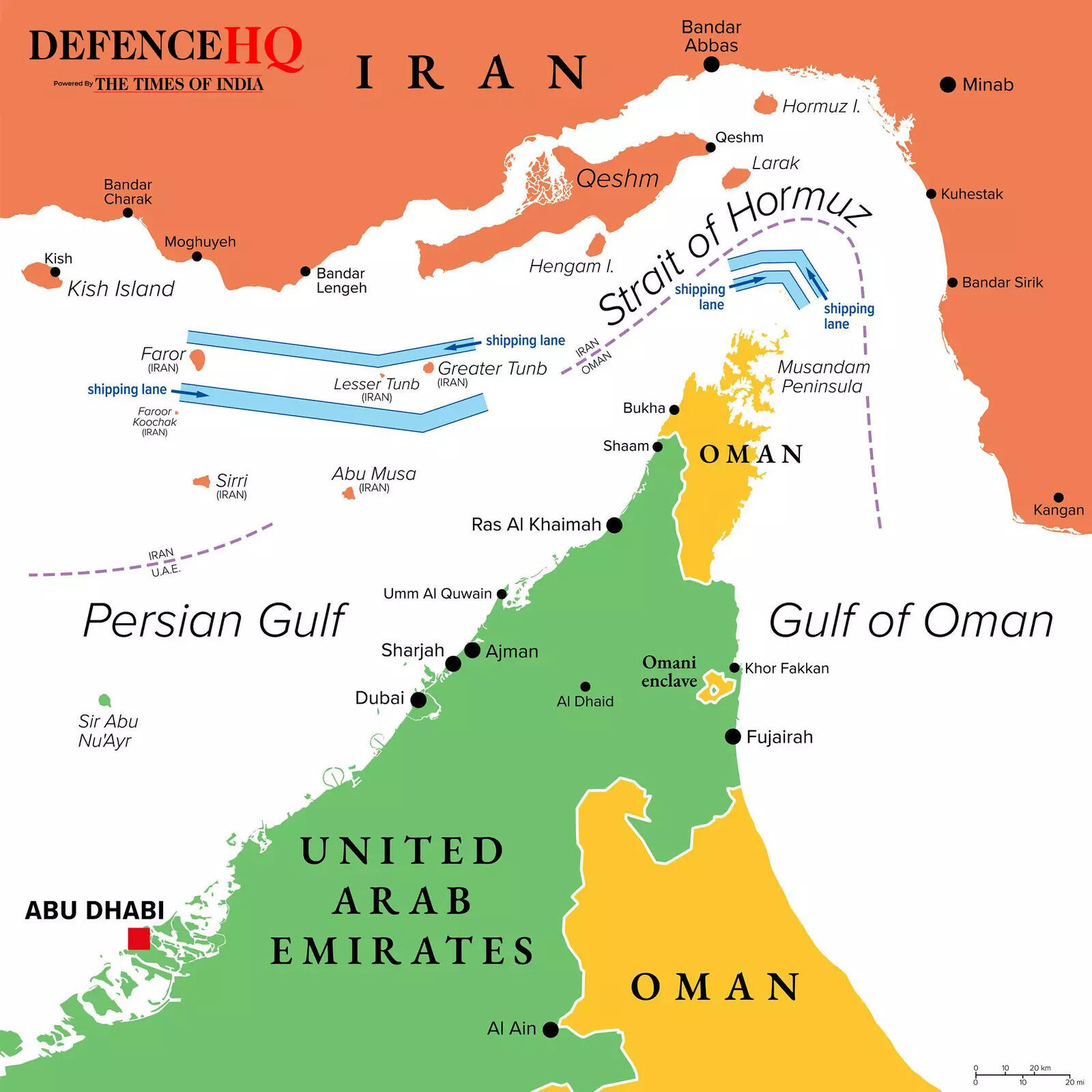
Disruptions to the Middle East’s energy supplies caused by the Iran war are sending global oil and gas prices rising, a development that could strengthen Russia’s finances and indirectly support its war efforts in Ukraine.Rising energy prices are increasing the revenue Russia earns from oil and gas exports – a key pillar of the Kremlin’s budget that helps finance government spending, including military operations, news agency AP reports. Russia’s oil export prices have recently risen from $40 a barrel to nearly $62 a barrel in December. The surge began with war fears and accelerated after tanker traffic through the Strait of Hormuz – a route that carries about 20 percent of the world’s oil consumption – was largely disrupted.

Although Russian crude still trades at a significant discount to the global benchmark Brent crude, the price is now above the $59 per barrel level projected in Russia’s 2026 budget plan. Brent crude has climbed above $82 from the closing price of $72.87 recorded on the eve of the US and Israeli attack on Iran.Oil and gas taxes account for up to 30 percent of Russia’s federal budget.Additionally, disruptions in production and shipments of liquefied natural gas (LNG) from Qatar, one of the world’s largest suppliers, are expected to intensify global competition for available LNG cargoes, including from Russia.
Change in Russia’s fortunes
Before the latest surge in the Middle East, Russia’s energy revenues had weakened.According to Russia’s Finance Ministry, state oil and gas income fell to a four-year low of 393 billion rubles ($5 billion) in January, while the country’s budget deficit rose that month to 1.7 trillion rubles ($21.8 billion), the largest deficit on record.The decline in revenues was caused by low global oil prices and steep discounts on Russian crude due to Western sanctions and sanctions targeting Russia’s “shadow fleet” of tankers used to ship oil to major buyers such as China and India.Due to stagnant military expenditure, economic growth has also slowed down. President Vladimir Putin has responded by raising taxes and borrowing more from domestic banks to keep government finances stable during the fifth year of war in Ukraine.“Russia is a big winner from war-related energy turmoil,” Simone Tagliapietra, an energy expert at the Bruegel think tank in Brussels, told the AP. “Higher oil prices mean higher revenues for the government and therefore stronger ability to finance the war in Ukraine.”Amina Bakr, head of Middle East and OPEC+ insights at analytics firm Kpler, wrote: “As Middle East barrels face logistics disruption, both India and China face strong incentives to deepen their dependence on Russian supplies.”Meanwhile, the price of natural gas for future deliveries to Europe has soared, raising concerns about an EU plan to phase out Russian LNG imports by 2027.The rise in gas prices has revived memories of the 2022 energy crisis that followed Russia’s invasion of Ukraine that cut off most pipeline gas supplies to Europe.
Big danger due to closure of Strait of Hormuz
Analysts say the extent of Russia’s potential financial gain will largely depend on how long the Strait of Hormuz remains closed to shipping.Alexandra Prokopenko, an expert on the Russian economy at the Carnegie Russia Eurasia Center in Berlin, said a short truce could bring Brent crude back to around $65 a barrel and “a short-term spike would not fundamentally change Russia’s fiscal outlook”.A middle scenario, where some shipping resumes and oil stabilizes around $80 a barrel, could provide “some fiscal relief” to Russia, depending on how long prices remain high.However, a prolonged closure of the strait – especially if Iranian attacks damage refineries and pipelines – could send oil prices as high as $108 a barrel, increasing inflation and pushing Europe closer to recession.“This scenario would bring the biggest windfall for Russia,” he said.According to Chris Weafer, CEO of Macro-Advisory Ltd., even a few weeks of disruption in LNG shipments from the Gulf could lead to political pressure within Europe to reconsider plans to stop signing new Russian LNG contracts after April 25.“There is even more pressure on the EU to work with the US to find a solution to the Ukraine conflict and to consider easing the overall bloc’s plan for Russian oil and gas imports,” he said.“Countries like Hungary and Slovakia and those that have been big buyers of Russian LNG will push for that review.”Weafer said Russia’s budget performance may already be better in the near term.“The outcome of the Russian federal budget in March will be much better in any case,” he said, citing small discounts on Russian oil and strong global demand.
Russia indicated readiness to increase supplies
Russia has also indicated that it is ready to increase energy exports.Deputy Prime Minister Alexander Novak said Russian oil was “in demand” and Moscow was ready to increase supplies to China and India, according to the Tass news agency.Meanwhile, the head of Russia’s sovereign wealth fund Kirill Dmitriev mocked European leaders over energy security concerns.Writing on Or maybe not.”Despite efforts to reduce dependence on Russian energy, many European countries continue to import significant quantities.Belgium, France, the Netherlands and Spain together import about 2 billion cubic meters of Russian LNG every month. In addition, Hungary receives about 2 billion cubic meters monthly through the TurkStream pipeline running across the Black Sea.Tagliapietra estimates that Russian gas supplies could total about 45 billion cubic meters in 2026 – about 15 percent of Europe’s gas demand.He said it would be difficult to replace that volume if the global LNG market declines due to disruptions in the Middle East.