End with an agreement.
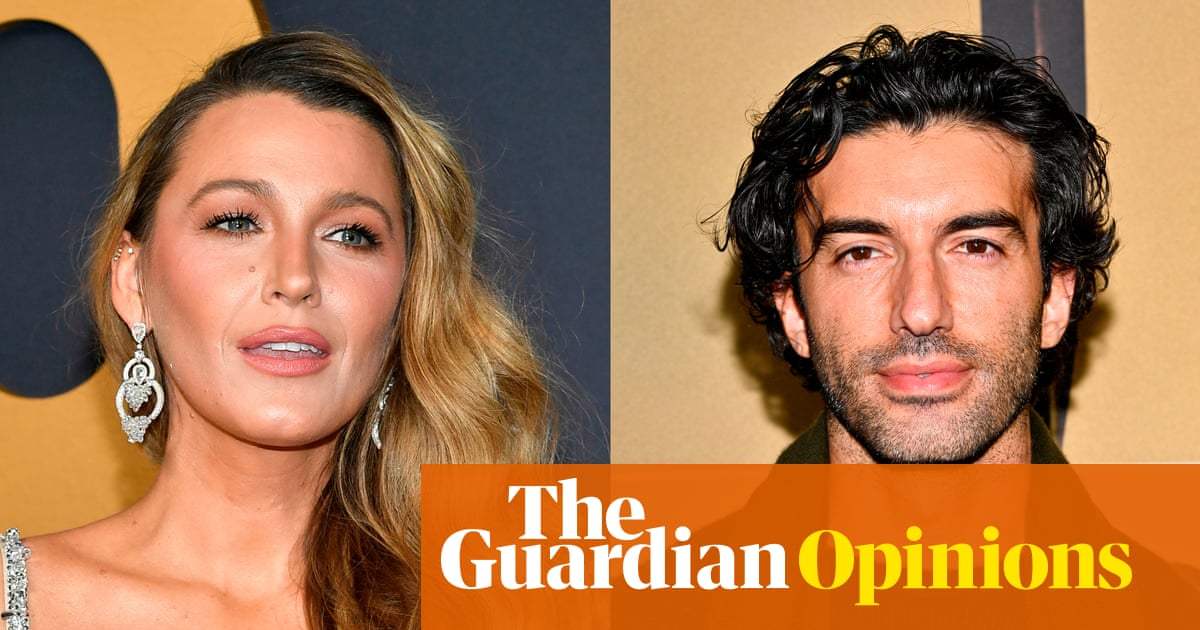
After a year and a half of bitter disputes in court and in the press, Blake Lively and Justin Baldoni resolved their legal differences two weeks before a federal trial.
Lively had accused Baldoni, her director and co-star, of sexual harassment on the set of her 2024 film, “It Ends With Us.” He also alleged that when he filed complaints about it, he and his army of advertisers engaged in a digital smear campaign to retaliate.
In a carefully crafted joint statement released Monday, the parties expressed their feelings about moving forward.
“The final product, the film ‘It Ends With Us,’ is a source of pride for all of us who worked to bring it to life. Raising awareness and making a meaningful impact in the lives of domestic violence survivors (and all survivors) is a goal we support. We recognize that the process presented challenges and recognize that the concerns raised by Ms. Lively deserved to be heard. We remain firmly committed to workplaces free of wrongdoing and unproductive environments. We sincerely hope this brings closure and allows everyone involved move forward constructively and peacefully, including a respectful online environment.”
The settlement comes about a month after Judge Lewis Liman dismissed 10 of Lively’s 13 civil claims, including all harassment claims. The ruling left three claims (retaliation, complicity in retaliation and breach of contract) for a jury to decide.
At the time, Lively’s attorney said he looked forward to telling her story on the witness stand. But the lawyer, Sigrid McCawley, also seemed to telegraph that a settlement was a real possibility, suggesting that Lively had already achieved her goals by exposing the “smear machine” at the center of the case.
“For Blake Lively, the greatest measure of justice is that the people and playbook behind these coordinated digital attacks have been exposed and are already being held accountable by other women they have attacked,” McCawley said at the time.
Lively herself also took to Instagram to claim some victory at the time.
“The last thing I wanted in my life was a lawsuit, but I filed this case because of the widespread RETALIATION I faced, and continue to face, for privately and professionally asking for a safe work environment for myself and others,” he wrote. “I hope the Court’s decision shows others that, as unfathomably painful as it may be, you can talk.”
Lively began the legal war in December 2024, filing an administrative complaint with the California Department of Civil Rights. Around the same time, the New York Times published a lengthy article exposing text messages from Baldoni’s publicists, in which they strategized how to respond to Lively’s accusations and boasted that they could “bury” anyone.
Baldoni responded with a lengthy defamation lawsuit in federal court, alleging that Lively had, in effect, destroyed his reputation with false accusations of harassment in a cynical attempt to hijack the film. He also sued the New York Times. Lively then countersued, accusing Baldoni, Wayfarer Studios and others of harassment, retaliation and other claims.
Baldoni’s defamation suit was dismissed in the early stages, as the judge ruled that both Lively and the Times were protected by privileges covering litigation and reporting on litigation. After more than a year of extensive discovery and bitter legal fights, most of Lively’s claims were also dismissed, primarily on technical grounds rather than merits. Lively was found to be an independent contractor, not an employee, meaning she could not sue for harassment under federal law. And because filming took place in New Jersey, she couldn’t sue under California’s harassment statute.