


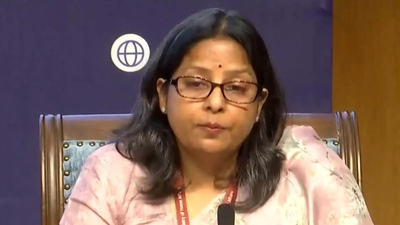
The government has asked state-run fuel retailers to expand liquefied petroleum gas (LPG) storage capacity to meet at least 30 days of demand, as supply disruptions linked to the West Asia conflict have highlighted the need for larger reserves, PTI reported.“We are working on strategic reserves. Oil marketing companies have been asked to plan to hold LPG reserves for at least 30 days and they are working on it,” Sujata Sharma, joint secretary in the petroleum ministry, told reporters on Friday.State-run oil marketing companies Indian Oil Corporation (IOC), Bharat Petroleum Corporation Limited (BPCL) and Hindustan Petroleum Corporation Limited (HPCL) have been asked to prepare plans to create additional storage capacity in addition to the regular commercial inventory.This step has been taken after the conflict in West Asia disrupted global energy supplies. India faced supply disruptions from the Gulf region, which accounts for about 40 percent of the country’s crude oil imports, 65 percent of its natural gas supplies and 90 percent of its LPG imports.While alternative arrangements were made for supply of crude oil and natural gas, the availability of LPG was affected, leading to regulated supply for commercial consumers.Sharma said India is also working on increasing crude oil storage capacity, although he did not give details.The government says that at present there is sufficient stock of petrol, diesel, LPG, crude oil and natural gas in the country. Refineries are operating at optimum levels and LPG production has reached an all-time high of about 52,000 tonnes per day.“There is no report of dry out at any LPG distributor,” Sharma said, adding, “Abnormal sales are being seen at many petrol pumps.”According to him, the higher fuel sales are being driven by agricultural demand and price differentials as consumers shift from private retailers and wholesale suppliers to state-run outlets.Petrol sales have registered a growth of more than 30 per cent in more than 150 districts, while sales have more than doubled in 14 districts. Diesel sales have increased by more than 30 percent in 156 districts, while six districts have seen a growth of more than 100 percent.Sharma said diesel sales by private fuel retailers have declined by 38 per cent, while wholesale diesel sales by state-run oil marketing companies have declined by 29 per cent.Petrol and diesel sold through retail outlets of state-owned companies are priced below cost, while bulk consumers such as telecom towers are charged the market rate. Private retailers have also increased fuel prices more sharply than public sector companies.IOC, BPCL and HPCL, which together control about 90 per cent of the fuel retail market, have increased petrol and diesel prices by about Rs 7.50 per liter with effect from May 15.The government is reviewing the situation and has advised states and union territories to form special squads to prevent hoarding and black marketing. Consumers have also been urged to avoid panic buying and purchase fuel only through authorized channels.


