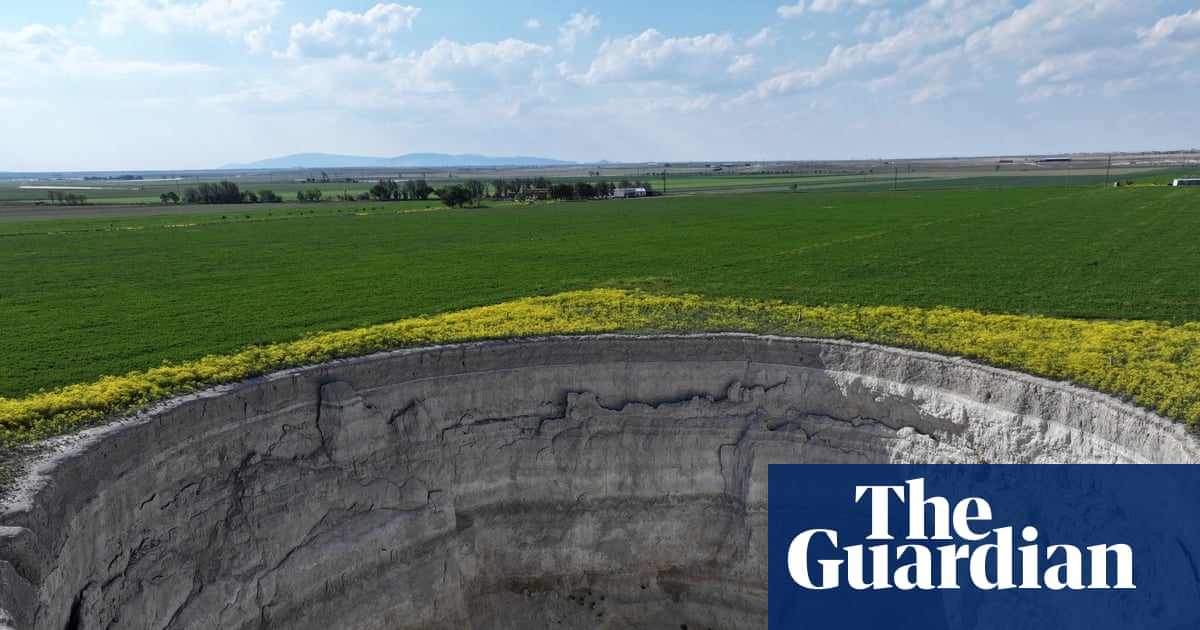
Residents and foreign tourists spend their time outdoors, walking on the streets, picnic areas, parks and tourist spots on hot days in Istanbul, Türkiye, July 27, 2025. (AA Photo)
By newsroom
February 28, 2026 01:58 am GMT+03:00
W.Intermediate rains may have arrived this year, but for parched Istanbul, they are too little, too soon, too late.
The Marmara region, home to the largest metropolis of Türkiye, is bracing for a possible summer of severe water shortages. Experts warn that 2025 saw the lowest average rainfall in 64 years, leaving dam levels critically low as the dry season approaches.
Prof. Dr. Lokman Hakan Tecer, dean of the Corlu Faculty of Engineering at Tekirdag Namik Kemal University, issued a stern warning about the current field statistics. Despite recent winter precipitation, data suggests the region is far from safe.
“Unless we see rainfall well above seasonal norms in March and April, we will be forced to spend the summer months battling water shortages,” Tecer said. “We are very close to periods in which we will be devastated by the lack of water.”
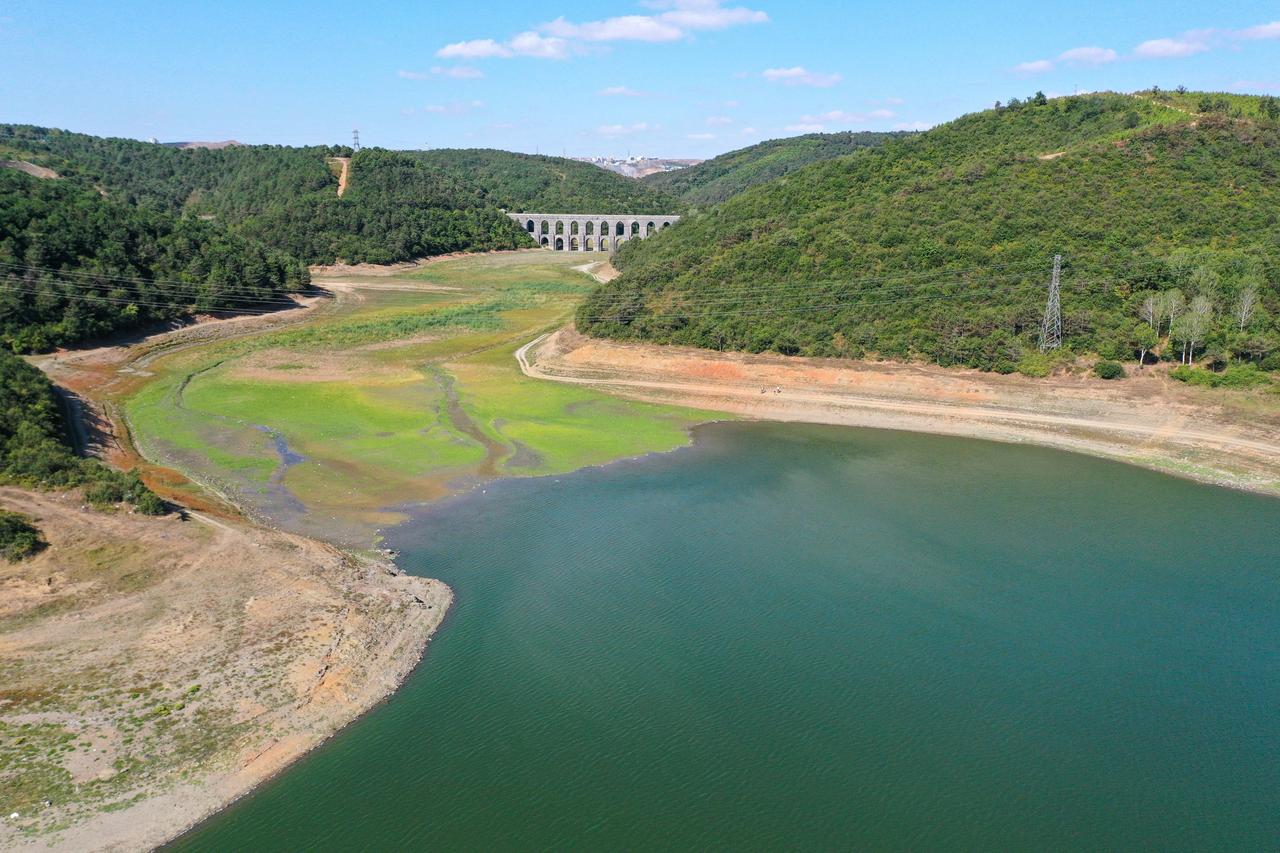

An aerial view of the Alibeykoy Dam, one of the main dams that supplies water to the city, in Istanbul, Türkiye, on August 26, 2020. (AA Photo)
Istanbul is half empty
Current measurements show a significant decline in water reserves intended to sustain Istanbul’s population of nearly 16 million.
While there is a public perception that recent rains filled the dams, the numbers tell a different story.
- Current occupancy of the dam: Approximately 44% at the end of February 2026.
- February 2025 levels: Occupancy stood at 74.5% during the same period last year.
- The 70% threshold: Dams must reach 70% by the end of April to avoid a summer crisis.
- Regional rainfall fall: Precipitation in the Marmara region fell from a typical 670 mm to just 454 mm in 2025, a decrease of 31.7%.
The deficit is attributed to an unprecedented drought. According to reports from the General Directorate of Meteorology, overall rainfall in Türkiye was 27.6% lower than long-term averages in 2025.
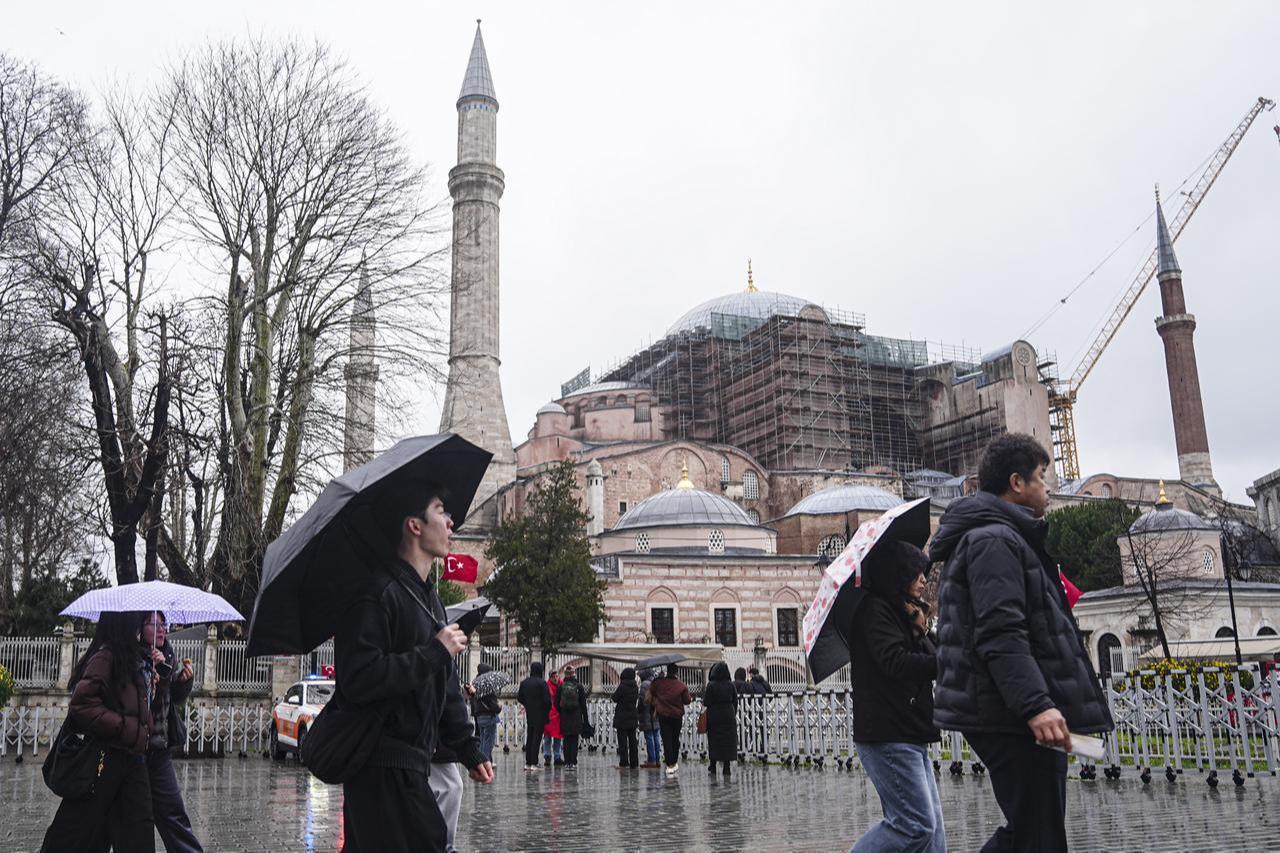
People used umbrellas during the rain, Istanbul, Türkiye, February 2, 2026. (AA Photo)
Flash Flood Trap
One of the main concerns of hydrologists is not only the volume of rain, but also the way it falls.
Tecer explained that the region is seeing more and more “burst” type rains instead of constant, soggy precipitation. This creates a scenario where the water arrives too quickly to be useful.
“A month’s or even six months’ worth of rain falls at once,” Tecer said. “This leads to surface runoff where water flows into streams and then to the sea, rather than feeding dams or seeping into groundwater.”
Additionally, the region has had no significant snowfall this winter. Snow is essential for water security because it melts slowly, allowing the soil to absorb moisture.
Without this slow release mechanism, “water loss” through evaporation is expected to reach 20% to 25% next summer due to high temperatures.
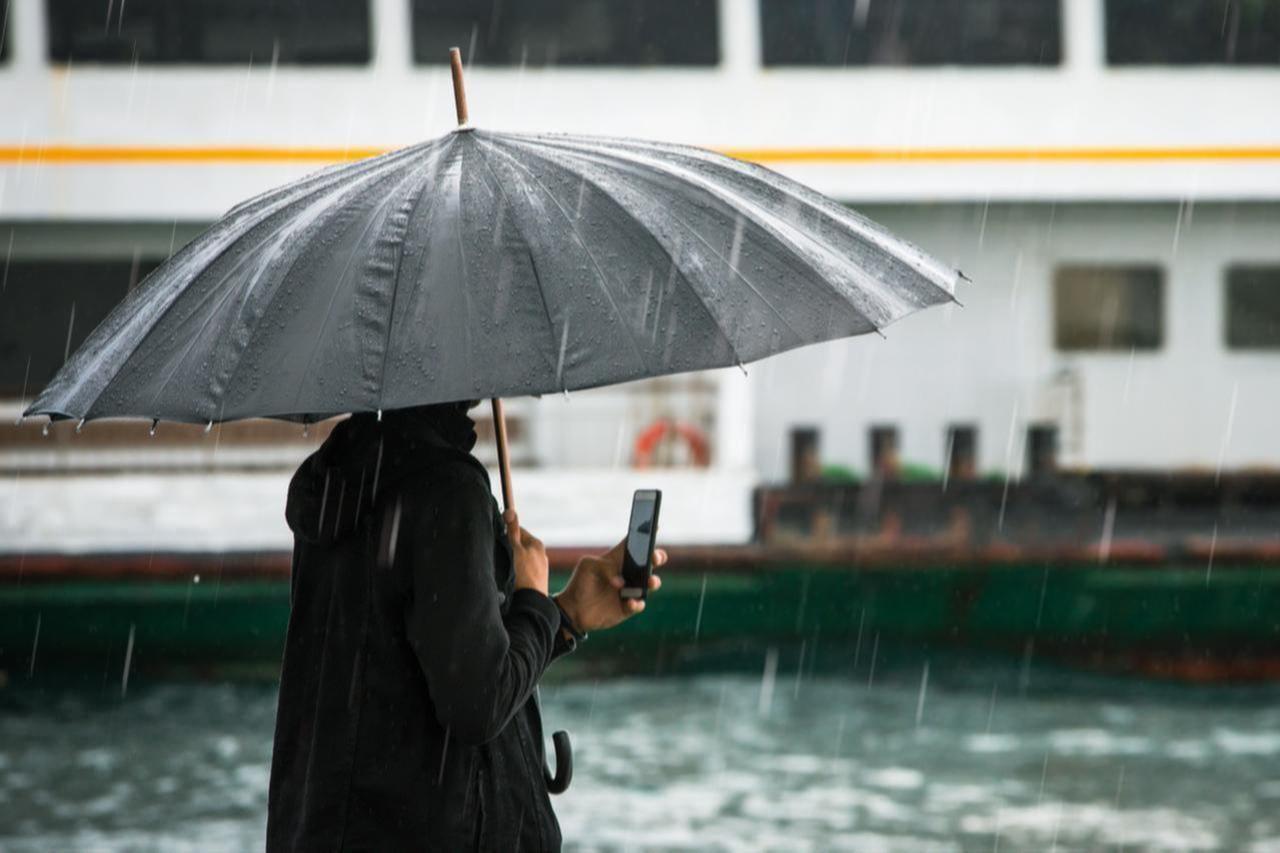
A person holds an umbrella while checking his phone near the promenade during heavy rain in Istanbul, Türkiye. (Adobe file photo)
harvesting the rain
To mitigate the looming crisis, experts call for a fundamental change in the way Türkiye manages its water resources.
Tecer emphasized that individual conservation is no longer enough; it must become a lifestyle supported by infrastructure.
“We cannot remain as spectators while the rains turn into floods and leave,” Tecer said. He urged the immediate implementation of “rain harvesting” systems, particularly in large housing complexes, to collect “grey water” for irrigation and cleaning.
While some legislative changes have been debated, experts insist that the transition to sustainable water use must accelerate before the peak of summer heat hits.

February 28, 2026 01:58 am GMT+03:00